Showing posts with label tokyo. Show all posts

Tuesday, August 15, 2023

Tokyo --> Tallinn 22.-23.07

Viimane päev reisil ei ole kunagi oodatud aga iga asi saab ükskord läbi. Kuna lennuk läks alles õhtul, oli päev vaba ja plaanis ainult Tsukiji kalaturg. Sotetsu Fresa Inn Ginza-Nanachome (ei saa lühemalt kirjutada, Sotetsul on mitmeid hotelle ka Tokyos) hommikusöök oli reisi kõige mitmekülgsem, eks suurem hotell ka.

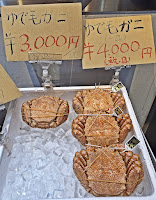
Pärast hommikusööki jätsime pagasi hoidu ja meid ootas ees Tsukiji kalaturg, mis 2018. aastani oli maailma suurim. Kokkuvõttes ma ei saanud viimase hetkeni aru, kas turg tegelikult veel eksisteerib või mitte, sest Google järgi mingi turg kolis ja sisemine turg suleti. Aga täiesti olemas ja rahvast täis. Ja meresaadusi. Palju meresaadusi.

Kõige põnevam oli üks mees, kes kutsus sööma (nagu paljudes kohtades söögikohtade juures). Küsimuse peale, kust me pärit oleme, vastasime loomulikult Eestist ja koheselt tuli vastuseks "Tere." Sel hetkel ei taibanud isegi küsida, kust ta selle selgeks õppis. Ja no saan täiesti aru, et võin kõigis maailma keeltes tervituse selgeks õppida, imestasime lihtsalt kui kiiresti ta riigi ja õige sõna kokku viis.

Kuna meil otseselt muid plaane ei olnud, Suica peal oli täpselt niipalju raha, et lennujaama saada ja juurde maksta ei olnud soovi, siis võtsime tuttava Yamanote (JR) liini ja sõitsime uuesti Takeshita Dorile, mida külastasime juba teisel päeval.

Kuigi ema ei tahtnud nii palju sussi, kui mina, siis lõunaks õnnestus ikkagi reisi viimane suss kavva võtta. Proovisin ta erinevatesse loomakohvikutesse kutsuda aga see ei õnnestunud. Tellimuse tõi kohale väike sushi rong😁

Enne majutusse jõudmist leidsime hulgimüügi poe. Siiani olime külastanud ainult 7-Eleveneid ja Family marte. Ohh, kui palju asju ja nagu eelnevalt märganud olime, siis kõik peale puuviljade on täiesti hea hinnaga.

Ja siis oligi aeg majutusest ära tuua ning lennujaama suunas liikuma hakata. Tavapäraselt koostasin mapsis marsruudi ning selle järgi pidi üks rong meid Haneda lennujaama 3. terminali kohale toimetama, kuigi vahepeal muutis kaks korda liini nimetust. Selge. Kokku 700 jeeni. Esimene liini vahetus möödus, teine samuti ja järsku olime teel vale peatuse poole. Ega siis midagi, rongilt maha ja teisega tagasi. Istusime uuele rongile ümber ja seekord jõudsime viperdusteta lennujaama.

Lennujaamades on tavaliselt päris krõbedad hinnad aga õhtusöögi saime täiesti samas hinnaklassis, mis Tokyos (ca 24 euri kahele koos jookidega). Võrdluseks, kui järgmisel hommikul Helsinkis võtsime hommikuks kumbki ühe võiku, kahepeale ühe magusa saia, kohvi ja tee ja maksma läks 40 eurot. Võikud, sai ja jook.

Erinevalt Tallinnast ei pidanud turvakontrollis käsipagasist midagi välja võtma. Turvakontroll läks üllatavalt kiiresti. Ümberistumisel Helsinkis, erinevalt Tallinnast ei võetud veepudeleid ära (meie viskasime kohusetundlikult lennu peal antud pudelid ära). Erinevalt Tallinnast võis Helsinkis olla vedelikku 2 liitrit.

Lend möödus nii nagu 13 tunnine lend ikka. Seekord saime kahekesi laiutada. See lendamise juures üks parimaid hetki, kui "pardaleminek on lõpetatud" ja sinu kõrval jääb koht tühjaks.

Ümmarguselt sõitsime ühistranspordiga ca 2600km + kõik linnasisesed sõidud. Japan Rail Pass tasus ennast ära, Suicaga maksime ca 50-60 eurot lisaks. Jah, Jaapanis ja eriti Tokyos on hea ühistranspordi võrgustik ja sellega aja kokkuhoid aga edaspidi jään võimalusel ikkagi ise sõitmise ja rendikate juurde. Esimene Aasia külastus tehtud💓 Tänan kaasa elamast

I guess no one waits for the last day of a trip, but at the end of the day, everything comes to an end. Since our plane didn't leave until the evening, we had the entire day free, except for the Tsukiji fish market. The breakfast at Sotetsu Fresa Inn Ginza-Nanachome (can't shorten as Sotetsu has several other hotels in Tokyo) was the most versatile of the trip.

After breakfast, we left our luggage at our hotel's luggage hold and made our way to the Tsukiji fish market, which was the largest in the world until 2018. I didn't know until the last minute if the market actually still existed or not, because according to Google because the Inner market is supposedly closed and a part had moved. It was good to see that the market was in full power full of people and seafood. Lots of seafood.

There was a man who invited us to eat. When asked where we are from, we of course answered Estonia, and immediately he greeted us with "Tere." At that moment, I was so surprised I didn't even ask where he had learnt it. I totally understand that anyone can learn a greeting in all the languages of the world but we were amazed how swiftly he connected the country to the correct word.

Since we didn't have any particular plans, and we had just enough money on our Suica to get to the airport without having to top up the card, so we took the familiar Yamanote (JR) line and re-visited Takeshita Dori, which we visited on the second day.

Although my mother didn't want sushi as much as I did, we still had sushi for the last day in Japan. I tried to invite him to different animal cafes, but it didn't work. Our order was delivered by a small sushi train😁

Before reaching the accommodation, we found a wholesale shop. So far we had only visited 7-Elevens and Family Marts. Ohh, so many things and as we had noticed before, everything except the fruit is at a great price.

And then it was time to fetch our luggage from the accommodation and head towards the airport. As usual, I compiled a route on maps, and according to it, one train was supposed to take us to Terminal 3 of Haneda Airport, although the name of the line changed twice during the ride. Brilliant. 700 yen in total. The first line change passed, the second as well, and suddenly we were on our way to the wrong stop. Well, we got off the train and took another to the previous stop. Then we changed onto a new train and this time we arrived at the airport without a problem.

Airport food is usually quite expensive, but our dinner was in the same price range as in Tokyo (approx. 24 euros for two, including drinks). For comparison, the next morning in Helsinki, we each had a sandwich, we shared a bun, one tea and one coffee and that cost 40 euros. Two sandwiches, a bun, and two hot drinks.

Unlike in Tallinn, we didn't have to take anything out of our hand luggage at the security check, which went surprisingly quickly. During the transfer in Helsinki, unlike in Tallinn, no one had to get rid of their water bottles (we dutifully threw away the bottles given to us on the flight). Unlike Tallinn, you could have 2 litres of liquid in Helsinki.

The flight passed just like any 13-hour flight. This time we had three seats for ourselves. One of the best moments of flying is when you hear "boarding complete" and the seat next to you is empty.

We rode roughly 2600 km by public transport + all the rides within cities. The Japan Rail Pass paid itself off, but just. Additionally, we paid approximately 50-60 euros to top up our Suicas. Yes, there is a good public transport network in Japan, especially in Tokyo, and it saves time, but in the future, whenever possible, I will drive myself. My first visit to Asia is done💓 Thank you for reading.

Monday, August 14, 2023

Kyoto -->Tokyo 21.07

Kinkaku-ji

Selleks, et kell 6 algavale palvusele jõuda, tõusime poole kuuest. Samas oleks võinud veel varem ärgata, sest olime viimased, kes kohale jõudsid. 

Ninna-ji templis ööbijatel on võimalus jälgida munkade hommikupalvust, mille loomulikult ära kasutasime. Kahju oli ainult sellest, et jaapani keelest aru ei saanud. Pärast palvust seletas üks munkadest midagi päris pikalt aga nagu öeldud, kahjuks ei mõistnud. 

Ninna-ji
Siis oli rahulikult aega enne külastajaid templi hoovis ringi vaadata. Leidsime surnut teeskleva (võimalik, et hoopis päevitas) tsikaadi, kes puudutamise peale mulle südari tekitas. 

Hommikusöök oli tagasihoidlikum kui õhtu ja kuigi ma maitsesin kohusetundlikult kõik ära, siis peale riisi ei olnud midagi ahvatlevat. Pakkisime jälle asjad kohvrisse ja jätsime need alla pakihoidu. Põnev, et keegi ei rääkinud inglise keelt, erinevalt eelmisest õhtust, kui templisse saabusime. Sain ainult aru, et kell 11 pidime tagasi olema. Kuna meil oli 12ks Shinkanseni istekohtade bronn, siis täiesti piisav aeg.

Esimest korda suutsin vale bussi peale istuda. No peatusest läksid mõlemad õigesse suunda aga buss, mille peal meie olime, suundus enne meie sihtkohta linna keskuse poole ja pidime veidi rohkem jalutama. Kokkuvõttes ei olnudki vahet aga ikkagi. 

Kinkaku-ji ehk Kuldne paviljon on tempel, mis ilmestab vist enamikku reisibüroode reklaampilte. Vähemalt selleks hommikuks saime soovitud päikese ja kuldlehtedega kaunistatud hoone säras kogu võimsuses. Kinkaku rajati juba 14. (ja uuesti 15ndal) sajandil aga praegune hoone pärineb 1955. aastast. Ei, sõda Kyoto kultuuri ei hävitanud, selleks oli üks 21-aastane munk, kes otsustas 1950ndal aastal templi maha põletada.

Templi kõik kolm korrust on ehitatud erinevas stiilis, alt vastavalt Heiani periood (794-1185), samuraid ja zen budism. Kaks ülemist korrust on kaetud kuldlehega ning algupäraselt seda selles mahus ei olnud. Aga saime oma ilusa ilma fotosessiooni tehtud. Emale meeldis see tempel külastatutest enim.

Templil on loomulikult aed, kus oli samuti võimalus (noh, tagasi suunas ei lubatud, seega pigem kohtustus) edasi liikuda. Esmakordselt märkasime kavalat õnnemängu, kus inimesed proovisid visata münti nendest paar meetri kaugusel olevasse anumasse (eks jälle tabamise korral on võimalus soovi täitumisele). Anuma ümber loomulikult terve varandus.

Seejärel oligi aeg uuesti bussile astuda, Ninna-ji templist läbi ja kohvrid kaasa, ja teisele bussile, mis viis meid mugavalt Kyoto jaama välja. Sain jaamas meie istekohtade broneeringu ka ära muuta, et ei peaks kohvritega jõunumbreid näitama. Aga rongis selgus, et oleksime pidanud oma kohvrid teise kohta jätma ja eestlastena ei ole sellist usaldust. Seega ühendasime oma jõud ja suutsime sõidu ajaks mõlemad kohvrid peakohale tõsta. Sõit ise jälle natuke üle kahe tunni, kuni jõudsime tagasi Tokyosse. Tee äärde jäi lõputult riisipõlde.

Viimaseks öömajaks olin valinud Sotetsu Fresa Inn Ginza-Nanachome, mis jäi Shimbashi jaamast ca 500 meetri kaugusele. Kärutasime kohvrid majutusse, registreerisime end ära, korjasime hotelli poolt pakutud tasuta nänni ja astusime lifti. 

Meie tuba paiknes 6ndal korrusel, seega vajutasin kuuenda korruse nuppu. Uksed sulgusid, lift liikus 8ndale korrusele ja hakkas siis uuesti alla liikuma. Olime väikeses segaduses. Proovisin uuesti meie korrust, mille peale lift viis meid jälle mitu korrust ülespoole ja siis alla tagasi. Hämming kasvas. Kui järgmine inimene lifti astus selgus, et enda korruse valimiseks pidime kõigepealt toa kaardi registreerima. Loogiline ju. 

Enne õhtusööki tegime väikese tutvuse poodidega. Ka 1100 euro eest on võimalik prille saada. Aga asusime ka rikkurite linnaosas. 

Ja siis. Ja siis ootas ees reisi sihtmärk (loomulikult mitte) HP kohvik😍 Grete kunagi saatis Instasse reeli hiljuti avatud Harry Potteri kohvikust. Teemapargiga olin kursis ja see oli pikalt välja müüdud, siis mõtlesin uurida. Alguses otsisin reisi alguse Tokyo kuupäevi ja need olid juba kinni aga siis avastasin, et lõpuõhtul oleme samuti pealinnas ja leidsime vaba aja. Jah, emal ei ole Potterist külma ega sooja aga HP on minu põlvkonna raamat. Loomulikult sisemine mina oli elevil (välimine ka). Jõudsime natuke varem ja istusime mingit esinemist jälgides. 

Siis fotosessioon poe ees ja sees. Enne tegime kindlaks, kus kohviku sissepääs on. Uksel ongi silt, et ilma broneeringuta sisse ja ei saa ja selle saab teha ainult netis. Ma tean, et mul ei ole selle nänniga midagi teha aga vaadata on ikka põnev.

Kuni kl 7 tuli meie broneeringu aeg ja meid lubati oma kohtadele. Hmm. Interjöör oli timm aga midagi jäi puudu. Toidu tellimiseks oli tahvel ja taimer, mis luges allesjäänud minuteid (see ei olnud eriti mugav). Olin menüüga eelnevalt tutvunud ja võtsime nii eel- kui põhiroa ning magustoidud. Ja (alkovabad) kokteilid. Ma ei ütleks, et mingi eriline maitsenauding, pigem selline tavapärane. Aga välimus oli lahe. Kui võimalus, tasub kindlasti külastamist. 

Kohviku ja poe juurde jääb ka teemakohane metroojaama sissepääs.


To make it to the morning prayer at 6 a.m., we got up at 5:30 a.m. However, it would have been wise to get up earlier, as we were the last ones to arrive (although not late). 

Those who stay at Ninna-ji temple have the opportunity to observe a morning prayer. That was one of the reasons we stayed there, so naturally we took part in that. It's a pity neither of us understands any Japanese, as one of the monks explained something very thoroughly after the prayer. 

Then we had some alone time in the temple's garden. We found a cicada, which almost gave me a heart attack when I touched it, pretending to be dead (or perhaps sunbathing). 

Breakfast was a tad bit more modest than dinner, and although I dutifully tasted everything, there was nothing appealing apart from the rice. We packed our suitcases again and left our bags in the luggage storage. It was interesting that no one spoke English, unlike the previous night when we arrived. I only understood that we had to be back at 11 o'clock. Since we had reserved Shinkansen seats for 12, it was entirely sufficient.

I then managed to get us on the wrong bus. Well, only two buses went from the stop (I didn't understand the number), but they both went in the same direction. However, the bus we were on headed towards the city centre before our destination and we had to walk a little more. 

Kinkaku-ji, or the Golden Pavilion, is a temple that appears in most travel agencies' advertising pictures in Estonia. At least for that morning, we finally got the sun we wished for and the gilded building shone in all its majesticity. Although Kinkaku was established already in the 14th (and again in the 15th) century, the current building dates back to 1955. No, it has nothing to do with WWII, but with a  21-year-old monk who decided to burn the temple down in 1950. Like wt? 

All three temple floors are built using different styles. The first storey follows the Heian period (794-1185), the middle samurai and the third represents Zen Buddhism. The two upper floors are gilded. We managed to have our photo session in the sunshine. My Mother loved this temple the most among the ones we visited. 

Naturally, Kinkaku-ji temple has a garden, where we could look around. Something we hadn't noticed before was a tricky game of chance, where people tried to throw a coin into a container a few metres away from them (as usual, if you hit, there is a chance for your wish coming true). As guessed, there was a small fortune around the container. 

Then it was time to once again catch a bus, fetch our luggage from Ninna-ji temple, and take yet another bus that conveniently took us to Kyoto Station. I was also able to change our seat reservation at the station so that we wouldn't have to show the power numbers with our suitcases. But on the train, it turned out that we should have left our suitcases in another car and as Estonians, we tend to be rather suspicious of others. So we combined our forces and managed to lift both suitcases to the rack above our heads. A little over two hours until we got back to Tokyo. There were endless rice fields along the road.

For our last accommodation, I had chosen Sotetsu Fresa Inn Ginza-Nanachome, which was about 500 metres from Shimbashi station. We wheeled our suitcases into the hotel, checked in, chose complimentary goodies offered by the hotel and got into the lift. 

Our room was on the 6th floor, so I pressed the sixth-floor button. The doors closed, the lift moved to the 8th floor and then began to move down again. We were a little confused. I tried our floor again, after which the lift once again took us several floors up and then back down again. The confusion grew. When the next person entered the lift, it turned out that in order to choose our floor, we had to register the room card first. Of course. 

Before dinner, we went window shopping. Apparently, in a rich man's world, you get glasses for 1100 euros. I am certain, they are much more expensive. 

And then. And then the highlight of the trip (just kidding) was the HP cafe 😍 Grete once sent a reel on Insta about the recently opened Harry Potter cafe. I was aware of the theme park and couldn't get tickets for that, so that seemed intriguing. At first, I looked for the dates of the beginning of our trip and they were already booked, but then I realised that we will be in Tokyo again on the final evening and found a vacancy. Yes, my mother is indifferent about Potter, but HP was originally for my generation. Naturally, I was excited. We arrived a bit earlier and sat watching some kind of meeting.

Needless to say, we had a photo session in front and inside the shop. First, we determined where the entrance to the cafe is. There is a sign on the door saying that you cannot enter without a reservation and it can only be done online. I know I don't have anything to do with the nicknacks sold there, but they are fun to look at. 

Finally, at 7 p.m. we were directed to our seats. Hmm. The interior was fine, but for some reason, I had a bit higher expectations. 

We were given tablets for ordering food and a timer that counted down the time remaining until we had to leave (it wasn't very convenient). I had familiarized myself with the menu in advance and we had different starters, main courses and desserts. And (non-alcoholic) cocktails. I wouldn't say that it's something spectacular. But the food looks cool. Definitely worth visiting if there. 

There is also HP themed metro station next to the cafe and shop. 

Sunday, August 6, 2023

Tokyo 13.07

Teist Tokyo päeva alustasime loomulikult Shinjuku jaamast. Yamanote (JR) roheline liin viis meid Ueno linnaossa, kus asub maailma suurima linna, Tokyo loomaaed. 

Millest ma ei saa siiani üle on külastuse hind - 600 jeeni (ca 3.85 eurot). Võrdluseks, Tallinna loomaaed 14 eurot, Helsingi loomaaed 23 eurot (eelmüügist 22 eurot). Igatahes. Alustasime oma päeva loomaaias. Mul on alati loomaaias elavatest loomadest kahju. Tokyos ei tundu neil kõige mugavamad elamistingimused. 

Tegime praktiliselt tervele loomaaiale ringi peale. Nägime kahte pandat, kellest oli ka kahju. Ühe pandapaari vaatamiseks pidi pikas järjekorras seisma, millest loobusime. Reklaam käib enamasti pandade ümber. Aga midagi erilist välja tuua ei oska. Jalutada mulle meeldib. 

Lõunapausi tegime samuti pargis. Võtsime mõlemad riisikausid mingi lisandiga. Friikad. Ahjaa, minul oli terve reis, igal pool kus sai, Cola😁 Õhtusöökide juurde saime ühe erandiga alati tasuta vee, aga Cola ostsin ikkagi. 

Juba süüa tellides märkasime panda koogikesi aga kohe neid ei ostnud. Kui olime ära söönud, võtsime need ka, sest armsad ju. Ja kook, noh. Välimus on petlik. Ei olnudki magusad, hoopis mingi veniv tainas. Riis kindlasti. Jaapanis on kas riis või oad. 

Lühike metroosõit viis meid edasi Asakusasse. Selleks, et meie esimesele budistlikule templile õigest suunast läheneda, alustasime jalutuskäiku 11.7m kõrgusest Kaminarimon (ehk müristamise) väravast. Väravat kaunistavad ja Senso-ji templit kaitsevad neli jumalust. Värava keskel ripub 700 kilone punane latern (Jaapanis on punane värv kurjuse tõrjeks).

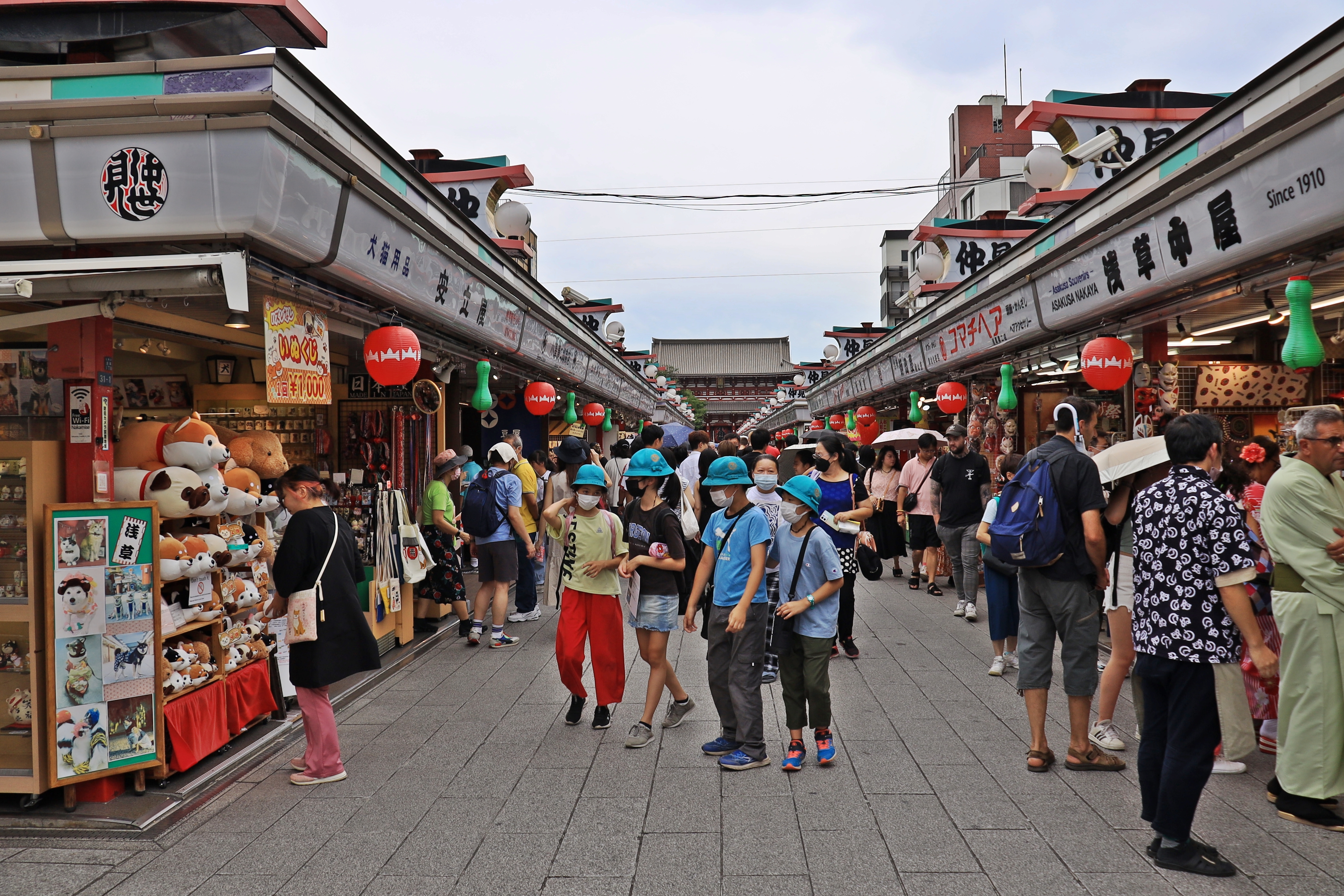
Läbides Kaminarimoni värava jõudsime edasi algupäraselt 17. sajandist pärit Nakamise tänavale, mille kauplemiskohti antakse sugupõlvede kaupa edasi. Sarnaselt Takeshita Dorile, leiab Nakamiselt hulgaliselt suveniiride ja mille kõige müügikohti. Inimesi oli kordades rohkem kui eelneval päeval Harajukus asuvas Takeshitas.
Läbisime veel teisegi värava ning jõudsime lõpuks Tokyo vanima budistliku templi, Senso-ji väljakule. Seda loetakse küll vanimaks, algupäraselt 7. sajandist, aga nagu enamik Tokyo puhul, hävitas II MS halastamatult suure hulga kultuuripärandist ja tänapäeval saame vaadelda reproid. Selle peale on äärmiselt kurb mõelda, et sajandeid püsinud ajaloolised hooned lihtsalt hävitati paari aasta jooksul.

Ühe aarde logimiseks (geopeitus) ostsime ka siis 100 jeeni eest ennustuse/õnne. Pärast (südametunnistuse järgi, sest keegi ei kontrolli) raha maksmist raputad anumat, kust võtad välja numbriga pulga. Number viitab ennustusele. Halb õnn tuleb kokku voltida ning võrestikule siduda, mida me mõlemad teha saime. Aga ega siis halva õnnega ei saa piirduda. Teine kord sai ema parima õnne ja mina keskpärase õnne.

Enne Senso-ji templisse sisenemist järjekordne viirukiga puhastus ja kätepesu. Tempel ise on võimas. Nagu eelnevalt, päris palvekohta on võimalik vaadelda piire tagant. Ja nii oleks soovinud päikesepaistelist ilma, kõik särab siis hoopis teisiti.

Jaapanis on kaks peamist usku - šintosim (mitmed jumalused ja looduse usk) ja budism. Eristamaks nende kahe pühakohti, šintosimis on pühamud, mille juurde kuuluvad torii väravad. Budismis on templid.

Templi tagumisel vasakpoolsel küljel asub väike kivisild ja selle all olevas tiigis suplevad värvilised koid (karpkalad), keda oli väga rahustav jälgida.

Templi juurest tagasi liikudes valisime Nakamise Dori putkade taga kulgeva tänavaosa, kus oli rohkem hingamisruumi.

Õhtuks oli jäänud veel üks külastus ja Googlest transpordivõimalusi uurides avastasin, et sinna saab ka praamiga. Kui selline võimalus on, siis loomulikult. Tokyo Cruise peatus asus väga mugavalt Nakamise tänava otsast, Kaminarimon väravast 200 meetri kaugusel (sarnaselt Asakusa metroojaamaga).

Umbes pooletunnine praamisõit pakkus Tokyo vaadetele natuke teistsugust vaatenurka ning viis meid Toyosu sadamasse, kust lühikese jalutuskäigu kauguselt leiab teamLabs Planets Tokyo nimelise muuseumi. Valisin selle eeltööd tehes ühe kohana, mida Tokyos külastada võiks. Ma ei teadnuki väga täpselt, mida see endast kujutab, ainult nii palju, kui piltidelt nägin. Kuna teamLabsil on palju head tagasisidet ja pildid tundusid huvitavad, võtsin selle plaani. Nagu teistelgi eelmüügist ostetud piletitele, kehtib sissepääsul pooletunnine aken. Kohapeal piletite saamine on keeruline, sest need on tihti välja müüdud.

Esimese asjana paluti jalanõud ära võtta, mis ei tundunud kõige toredam. Seda selleks, et võimalikult palju tunda ja kogeda, aga ikkagi.

Käisime vees (loodan väga, et piisavalt klooriga), "mustas augus" (väga pehme põrandaga ruum), lõputute kristallide keskel (põnev kogemus), jälle vees, mille pinnale kuvati koikalad, suurte pallide keskel, lillede saalis ja samblases aias. Sellist muuseumi ei olegi enne kogenud.

Majutuse poole tagasi sõitsime seekord bussiga. Nii nagu terve reisi vältel kogesime, inimesed seisavad peatustes järjekordades. Korralikes järjekordades, kus üksteisest mööda ei trügita. Seda nii bussi-, rongi- kui metroojaamas. Järjekordne näide jaapanlaste viisakusest.

Õhtusöögiks pelmeeniraamen. Kahepeale 18 eurot, mille sees kaks raamenit, Cola ja õlu. Kõndisime läbi Omoide Yokocho toidutänava ja suundusime majutusse.

Obviously, we began our second Tokyo day from Shinjuku station. The Yamanote (JR) green line took us to the Ueno district, where you can find Tokyo Zoo. 

As I have mentioned, Tokyo is currently considered the largest city in the world. What I still cannot get over, however, is the price of the visit - 600 yen (approx. 3.85 euros). For comparison, Tallinn Zoo asks 14 euros, and Helsinki Zoo 23 euros (advance ticket is 22 euros). 

Anyway. We started our day at the zoo. I always feel sorry for the animals there. Moreover, Tokyo Zoo doesn't seem to offer the most comfortable living conditions for animals. 

We got to see most of the zoo. We also got to see two of the four advertised pandas, which I also felt sorry for. There was a massive queue to see the other two pandas but we skipped that option. It was unclear why two of them were visible without any restrictions and two required special treatment. All-in-all, I can't pinpoint anything specifically interesting about the zoo. But I do enjoy walking. 

We also had our lunch in the park. Both of us took rice bowls with some toppings and a pack of fries to share. And I had Coke. Well, I had Coke everywhere I could😁 With one exception, we always got complimentary (cold) water with dinner, but I still bought Cola. Since the zoo's advertisements revolved around pandas, we noticed panda cakes while ordering our food, but did not take them. However, after eating, we decided to have those too because they looked cute. And they were cake-looking. Unfortunately, appearances can be deceiving. They weren't sweet at all, but rather a stretchy dough. Rice for sure. In Japan, food is either rice or beans.

A short metro ride took us to Asakusa. To approach our first Buddhist temple from the right direction, we began our stroll from the 11m high Kaminarimon (or thunder) Gate. Four deities adorn the gate and protect the Senso-ji temple. A 700-kilogram red lantern hangs from the middle of the gate (in Japan, the colour red frightens evil spirits).

Passing through the Kaminarimon Gate, we reached the 250-metre-long Nakamise Dori, originating from the 17th century. Similar to Takeshita Dori, you can find numerous shops selling souvenirs, sweets and snacks. Even so, Nakamise Dori was way more packed than Takeshita. 

We walked through yet another gate and finally arrived at Tokyo's oldest Buddhist temple, Senso-ji. It is considered the oldest, originating from the 7th century, but like the majority of buildings in Japan, II MS mercilessly destroyed a lot of cultural heritage, and today we can see replicas. It is heartbreaking to think how the historical buildings that stood for centuries were simply destroyed within a few years of war.

Both of us bought a prediction/fortune for 100 yen to log a geocache. After paying (according to your conscience, because no one checks anything), you shake the container, from which you take out a stick with a number. The number refers to a prediction. Notes with bad luck can be folded up and tied to a thing. Well, both of us managed to draw bad luck, so we tried again. This time, Mum got the best luck and I got average luck. A good way to make people spend their money.  

Before entering the Senso-ji temple, we again purified ourselves by washing our hands and beckoning the incense towards ourselves. 

The temple itself is magnificent. As with the previous shrines we had visited, it's impossible to approach the actual altar. If only it had been sunny, everything would have shined much more brilliantly.  

In Japan, there are two main religions - Shintoism (a belief in multiple deities and the belief that spiritual powers exist in the natural world) and Buddhism. To distinguish between their religious buildings, in Shintoism, there are shrines that have the torii gates and in Buddhism, there are temples. 

It is easy to miss an old stone bridge on the back left side of the temple, crossing a pond with the colourful koi. 

Walking back from the temple, we wanted a room to breathe, so we took the path behind the Nakamise Dori shops. There was one more visit left for the evening, and while researching transportation options on Google, I discovered that you can also get there by ferry, which was an interesting possibility. The Tokyo Cruise stop was conveniently located only 200 meters from Kaminarimon Gate. 

The ferry ride took about half an hour and offered slightly different views of Tokyo. The ferry took us to Toyosu Port, which is a short walk from teamLabs Planets Tokyo. 

I chose this museum while doing research on places to visit in Tokyo. They had a lot of positive feedback and interesting photos. As with other tickets purchased in advance, there is a half-hour window for entry. Getting tickets on the spot is difficult because they are often sold out. 

The first thing we were asked to do was take off our shoes, which didn't seem the nicest thing. I know this enhances the experience, but still. 

We got to walk in a corridor filled with water (I really hope it contained enough chlorine), the "black hole" (a room with a very soft floor), the infinite crystal universe (an exciting experience), again in the water, with koi displayed on the surface, a room filled with large balls, the hall of falling flowers, the room with flowers projected on the ceiling, and in the mossy garden. I have never experienced such a museum before.

This time we travelled back to our hotel by bus. Just as we saw throughout our journey, people form immaculate queues at bus, train, and metro stations. Yet another example of Japanese politeness.  

For dinner, we had ramen with dumplings. 18 euro, including two ramen, Cola and beer. We browsed through Omoide Yokocho food street and headed to our hotel.